1. About the Ford F-Series
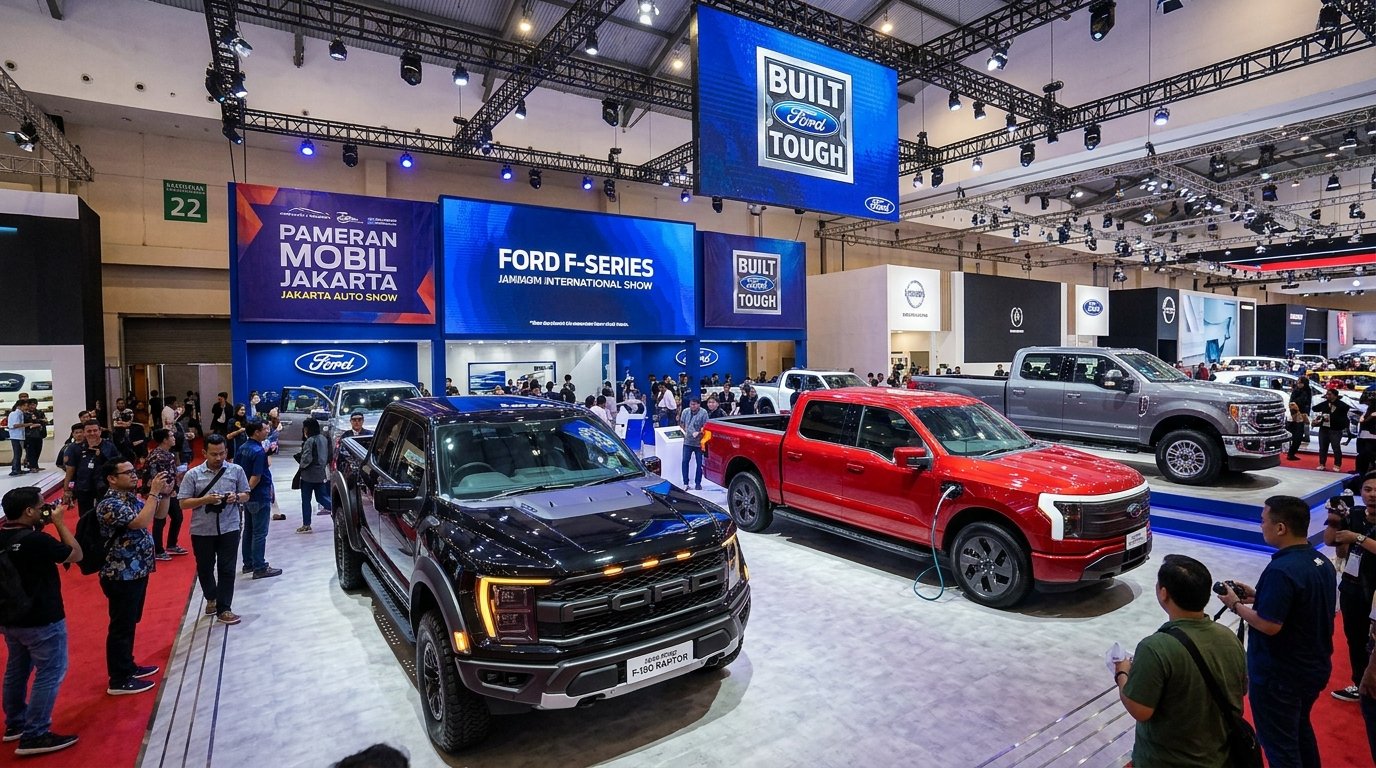
The Ford F-Series is one of the most recognizable pickup truck lineups in the automotive industry. Produced by Ford Motor Company, this truck family was introduced for the 1948 model year and has developed a strong reputation for durability, performance, and versatility. It is especially popular in the United States, where pickup trucks play an important role in both business and everyday transportation.
The lineup includes several models designed for different purposes. The Ford F-150 is a light-duty full-size pickup, while the F-250, F-350, and other Super Duty models are built for heavier workloads. The F-Series also includes commercial chassis cab and medium-duty trucks.
One reason behind the popularity of the Ford F-Series is its ability to combine practical functionality with modern technology. Depending on the model and trim level, buyers can enjoy comfortable seating, advanced infotainment systems, driver-assistance features, and spacious cabins.
The truck is available in different configurations, including regular cab and crew cab versions. Buyers can also choose between rear-wheel drive and four-wheel drive on applicable models. These options make the Ford F-Series suitable for construction workers, business owners, outdoor enthusiasts, and families who need a versatile vehicle.
According to Ford, the F-Series has been America’s best-selling truck line for decades, demonstrating its strong position in the North American pickup market.
2. Engine Performance and Fuel Economy
The Ford F-Series offers several engine options, allowing customers to select a powertrain that matches their needs. Engine availability depends on the model year, trim level, and market.
For the 2026 Ford F-150, available gasoline engines include a 2.7-liter EcoBoost V6, a 3.5-liter EcoBoost V6, and a 5.0-liter V8. Ford also offers a 3.5-liter PowerBoost full-hybrid V6 on selected configurations.
The 2.7-liter EcoBoost V6 produces approximately 325 horsepower and 400 lb-ft of torque. It is designed to provide a balance between everyday performance and useful towing capability. Meanwhile, the 3.5-liter EcoBoost V6 delivers up to 400 horsepower and 500 lb-ft of torque, making it a strong choice for drivers who regularly tow trailers or transport heavy equipment.
For buyers who prefer a traditional V8 engine, the 5.0-liter V8 offers a different driving character and strong performance. The available hybrid powertrain combines a gasoline engine with electric assistance to improve efficiency while maintaining useful power.
Fuel economy varies considerably depending on engine choice, drivetrain, vehicle weight, driving conditions, and cargo load. In general, smaller turbocharged engines and hybrid configurations may offer better fuel efficiency than larger engines under comparable conditions.
However, the Ford F-Series is a large pickup truck, so fuel consumption can be higher than that of a compact sedan or small crossover. Heavy towing, aggressive acceleration, and frequent city driving can increase fuel use.
For the best ownership experience, drivers should select the engine that matches their daily workload and follow the recommended maintenance schedule.
3. Production Countries and Sales Markets
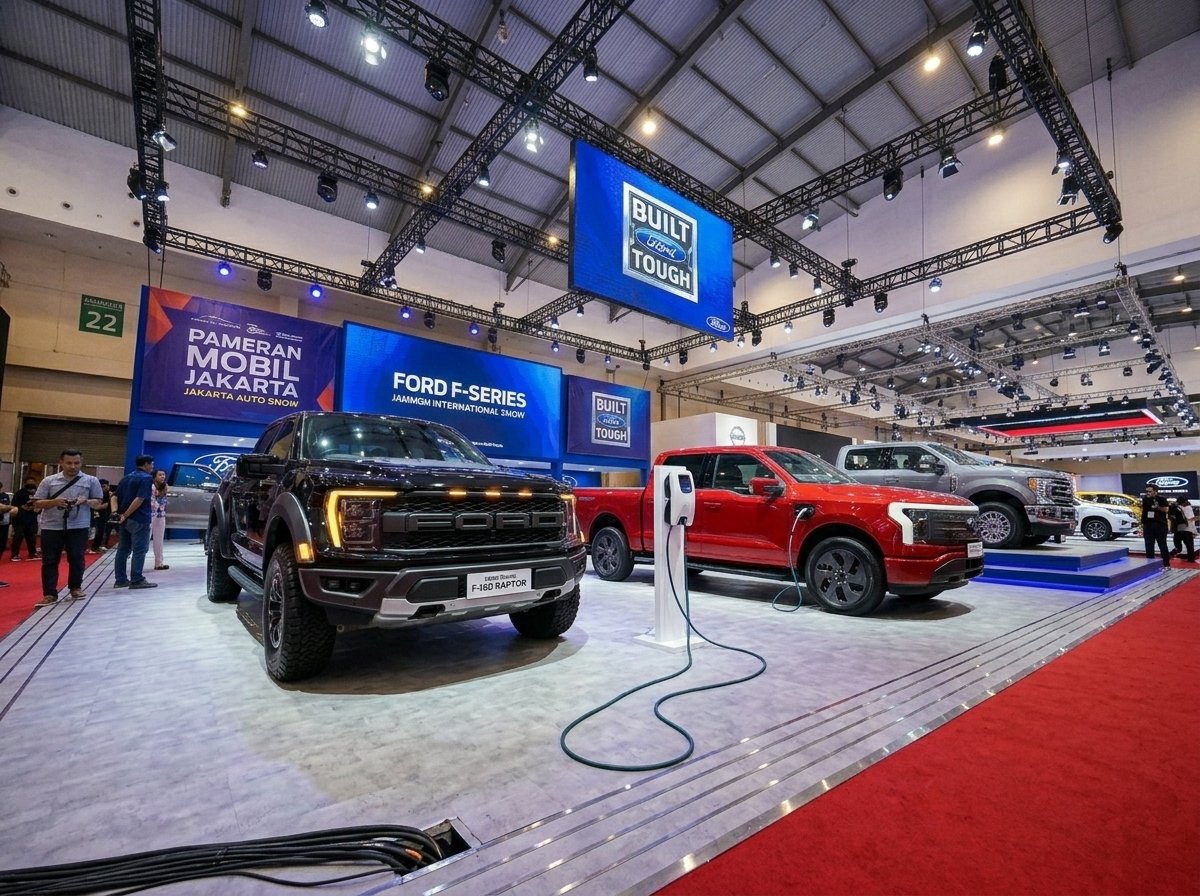
The Ford F-Series is primarily associated with the United States, which is its main market and an important center for production. Ford manufactures F-Series trucks at facilities in the United States, including the Dearborn Truck Plant in Michigan and the Kansas City Assembly Plant in Missouri for relevant models and production programs.
The company operates a global manufacturing network, but not every Ford pickup is produced in every country. For example, the Ford Ranger and Ford Everest are produce in other markets, including Thailand, but they are different vehicle lines from the F-Series.
The United States remains the most important market for the Ford F-Series. Its popularity is supporte by demand from construction companies, agricultural businesses, contractors, fleet operators, and private customers.
The trucks are also sold in selected international markets, although availability depends on local regulations, import policies, taxes, and dealer networks. In some countries, the F-Series is less common because its large dimensions, engine choices, and purchase costs may not suit local driving conditions.
In Indonesia, the Ford F-Series is not as widely available as smaller pickup trucks or the Ford Ranger. Buyers interested in importing an F-150 or Super Duty model should check local import requirements, vehicle registration rules, parts availability. And service support before making a purchase.
4. Using the Ford F-Series Every Day
Despite its strong work-truck reputation, the Ford F-Series can also serve as a daily vehicle. The F-150, especially in a comfortable crew cab configuration, provides generous cabin space and useful storage for passengers and personal belongings.
For people who frequently travel between home and work, the truck can offer a commanding driving position and a comfortable interior, depending on the chosen trim. Modern infotainment features and available driver-assistance technologies can also make longer journeys more convenient.
The pickup bed is another major advantage. It can carry tools, building materials, camping equipment, sports gear, and other items that may be difficult to transport in a conventional passenger car. This versatility makes the F-Series particularly useful for people who combine personal travel with professional activities.
The truck is also suitable for road trips, camping, and outdoor adventures. Four-wheel-drive versions and selected off-road packages can provide additional capability on suitable rough terrain. Nevertheless, drivers should understand the vehicle’s ground clearance, dimensions, and limitations before attempting challenging routes.
There are some disadvantages to consider. Parking can be difficult in narrow urban streets or crowded shopping centers. Fuel expenses may also be higher than those of smaller vehicles, while maintenance costs and replacement parts can vary by model and location.
For Indonesian drivers, road width, parking space, fuel costs, and access to qualified service centers deserve particular attention. Therefore, the Ford F-Series is best suite to buyers who genuinely need its size, cargo capacity, and performance.
5. Ford F-Series Price
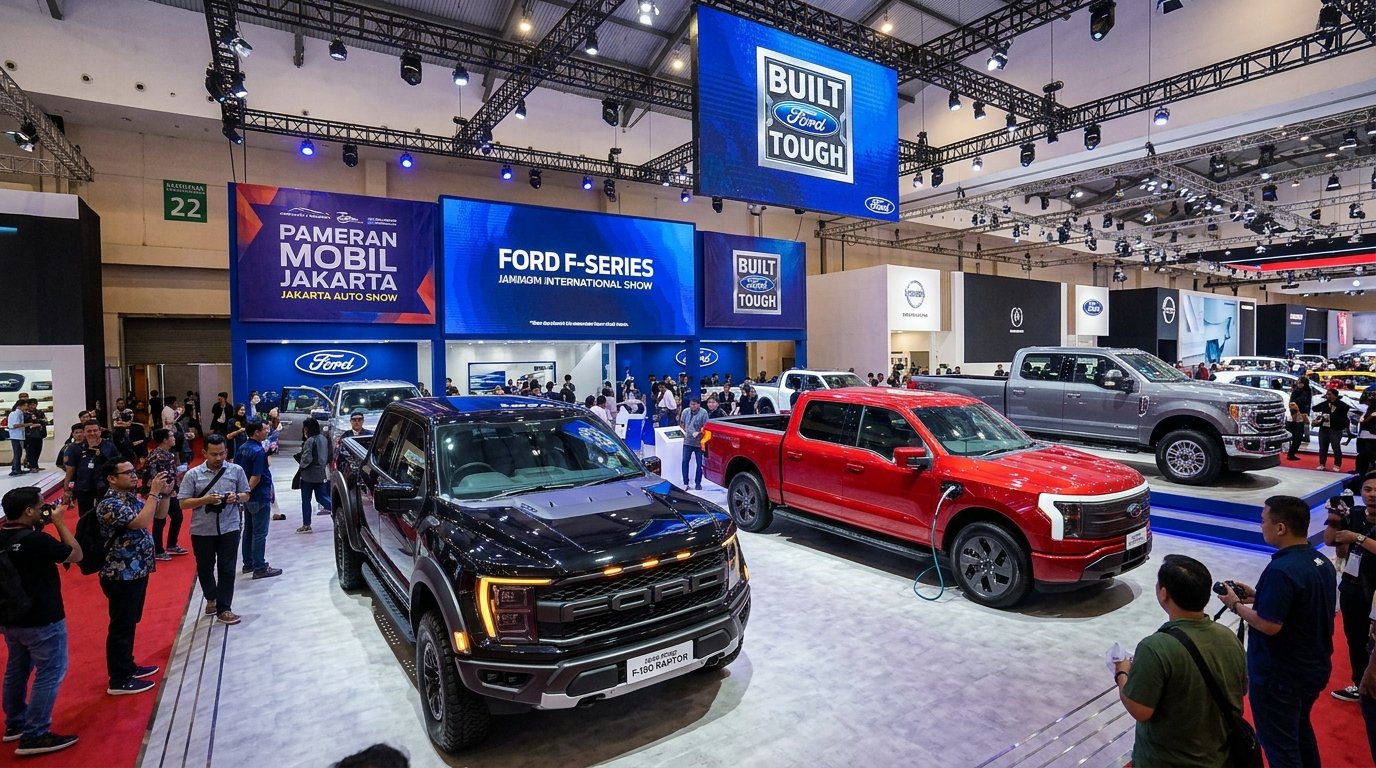
The price of the Ford F-Series depends on the model, trim level, engine, optional equipment, and country of purchase. Newer models with premium interiors, advanced technology, hybrid powertrains, or specialized off-road equipment generally cost more than basic work-oriented versions.
For reference, the 2026 Ford F-150 starts at approximately US$39,585 in the United States, according to Ford’s published starting MSRP. Higher trim levels, optional packages, delivery charges, taxes, and dealer fees can increase the final purchase price substantially.
The Super Duty range, including the F-250 and F-350, has a different pricing structure because these trucks are designe for heavier-duty applications. Specialized models and high-performance variants can command considerably higher prices.
International buyers should not assume that the American starting price will be the final cost in their home country. Import duties, shipping, insurance, taxes, registration, and compliance requirements can significantly increase the total expense.
Used Ford F-Series trucks may provide a more affordable alternative, but buyers should carefully inspect the engine, transmission, suspension, chassis, maintenance history, and towing-related wear before purchasing one.
For an accurate estimate, prospective buyers should compare the official Ford price list for their chosen model year with local dealer quotations and import costs.
Conclusion
The Ford F-Series remains a leading pickup truck family because it combines strong engine performance, substantial towing capability, practical cargo space, and increasingly sophisticated cabin technology. From the versatile F-150 to the heavy-duty Super Duty models, the lineup offers options for different professional and personal needs.
However, fuel consumption, vehicle dimensions, maintenance expenses, and purchase price should be considere carefully. For buyers who need a capable full-size pickup for work, travel, or recreation, the Ford F-Series can be a compelling option.
Before purchasing one, compare engine choices, fuel economy, trim levels, and local ownership costs to determine which Ford F-Series model offers the best value for your needs.